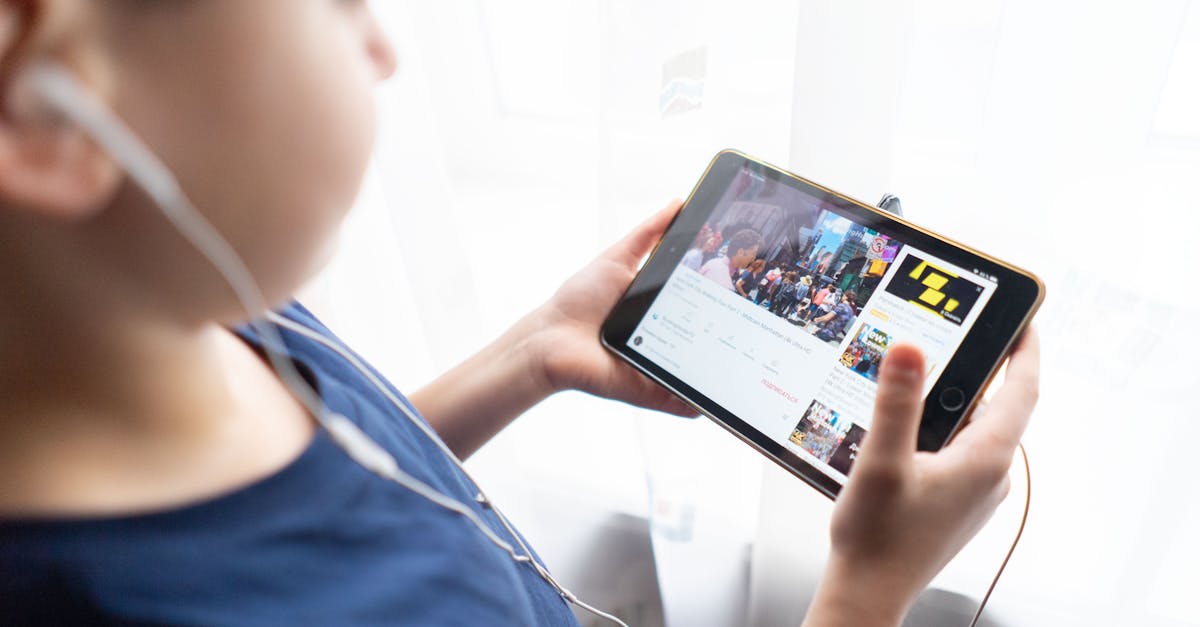
Best App to Learn During Commute
August 13, 2026
The best app to learn during commute transforms otherwise unproductive travel time into an opportunity for skill development and self-improvement, with top choices often depending on whether you need hands-free audio or can engage with visual content. For drivers, apps offering audiobooks, podcasts, and concise book summaries are ideal, while public transport users can leverage language learning apps, microlearning platforms, and digital reading tools that support both short bursts and longer study sessions. These apps frequently feature offline access, spaced repetition, and flashcards to maximize learning efficiency on the go.
Why Your Commute is Prime Learning Time
Your daily commute, often perceived as dead time, is in fact a significant, untapped resource for personal and professional development. The average commuter spends over four hours per week traveling, a substantial block of time that can be reclaimed for learning. This isn't just about passing the time; it's about leveraging consistent, short bursts of engagement that compound into meaningful skill development and increased productivity. For instance, platforms like Duolingo offer lessons as short as five to twenty minutes, perfectly fitting into a typical commute and making language acquisition achievable. Similarly, apps like Headway condense non-fiction books into 15-minute summaries, enabling users to grasp key concepts from over 2,000 titles daily. Even activities like listening to podcasts on subjects like philosophy or quantum physics, as noted by Reddit users, contribute to a broader understanding and intellectual growth. The consistency of a commute—whether it's 30 minutes or an hour each way—provides a predictable schedule for microlearning, allowing for the formation of strong learning habits. By transforming this routine into dedicated learning slots, you can arrive at your destination not only physically but also intellectually prepared, having utilized time that would otherwise be lost.
Matching Apps to Your Commute Style
The optimal learning app hinges significantly on your commute mode and personal preferences. For drivers, safety dictates a hands-free, audio-first approach. Apps like SmartRead offer concise book summaries, voice control for playback, and the ability to ask questions about content, ensuring eyes remain on the road. Similarly, Headway allows users to seamlessly transition between reading and listening to audio summaries of over 2,000 non-fiction titles, ideal for turning a drive into a productive microlearning session. NerdSip also features AI podcasts tailored for drivers.
Conversely, public transport commuters have the flexibility for visual engagement. They can leverage apps like Duolingo for language learning, with short lessons (5-20 minutes) that gamify the process across 30+ languages, including Japanese and French. Duolingo Plus further enhances this by offering offline access, crucial for patchy subway connections. Learnlight provides corporate language and skills courses, enabling users to watch videos or read articles during their commute, complete preparation activities, and review flashcards. Big Stuff Learning (BSL) integrates methods like Active Recall and Spaced Repetition, turning "dead time" into active study with AI-generated flashcards and audio sequences, suitable for exam preparation while commuting. The table below illustrates key features by commute type:
| Commute Type | App Examples | Key Features |
|---|---|---|
| Driving | SmartRead, Headway | Audio summaries, voice control, offline playback |
| Public Transit | Duolingo, Learnlight, BSL | Visual content, interactive lessons, flashcards, offline access |
Essential Features for Commute-Friendly Learning Apps
Effective commute learning apps prioritize functionality that respects the unique constraints of on-the-go environments. A critical feature is offline access, allowing users to download content like Duolingo lessons or Headway book summaries to avoid connectivity issues, particularly in areas with patchy service like subways. Short lessons or microlearning modules, typically ranging from 5 to 20 minutes, are also essential. This design accommodates brief windows of opportunity, such as a coffee break or a segment of a longer journey, making learning manageable and preventing cognitive overload. For instance, Headway condenses non-fiction books into 15-minute summaries.
Hands-free operation is paramount for drivers, with apps like SmartRead offering voice control for playback, pausing, and even asking questions about content, ensuring safety. This extends to audio-first content like podcasts or audio summaries, allowing learning without visual distraction. Finally, features like spaced repetition and flashcards are crucial for knowledge retention. Big Stuff Learning (BSL) and Headway both integrate spaced repetition flashcards to help users solidify what they've learned, transforming passive listening or reading into active recall and long-term memory formation. These features collectively enable a flexible, effective, and safe learning experience during commutes.
Top App Recommendations for Diverse Learning Goals
Beyond general productivity, several apps cater to specific learning objectives, leveraging commute time effectively. For those focused on language learning, Duolingo remains a top choice, offering gamified lessons in over 30 languages, with short 5-20 minute sessions ideal for public transport. Its Plus subscription provides offline access, essential for unreliable connections. Learnlight also supports corporate language and skills development, allowing users to engage with videos, articles, and flashcards on the go.
For general knowledge and self-improvement, apps that condense information are highly valuable. Headway distills over 2,000 non-fiction titles into 15-minute summaries, available in both audio and text formats, making it suitable for both drivers and public transport users seeking quick insights into topics like productivity or emotional intelligence. SmartRead offers similar functionality, providing concise audio summaries of books and the ability to upload personal documents for audio conversion, all controllable via voice commands for drivers.
For professional skills and exam preparation, Big Stuff Learning (BSL) integrates advanced learning methods like Active Recall and Spaced Repetition. It generates AI-powered flashcards and audio sequences, transforming passive listening into active study, particularly beneficial for students or professionals preparing for certifications. Platforms like Coursera, LinkedIn Learning, and EdX, while not exclusively commute-focused, offer structured courses that can be accessed via mobile, allowing for deeper engagement during longer commutes with internet access. Finally, for mental well-being and focus, Headspace offers commute-specific meditation sessions, typically 5 to 15 minutes, designed to reduce stress and improve clarity before work.
Choosing Your Ideal Learning Companion
Selecting the optimal learning app for your commute hinges on a few key factors: your commute type, learning objectives, and preferred content format. For instance, a driver with a 45-minute commute needs a different solution than a public transport rider with a 15-minute journey.
Consider these aspects when making your choice:
-
Commute Mode:
- Driving: Prioritize audio-first apps with hands-free controls. SmartRead, for example, offers voice commands for playback and questions, ensuring safety while accessing book summaries or personal documents. Podcasts and audiobooks are also excellent choices.
- Public Transport (Bus, Train, Subway): Visual content and interactive exercises are viable. Apps like Duolingo, with its 5-20 minute gamified language lessons, or Headway, offering 15-minute text and audio summaries of non-fiction books, are ideal. Offline access, as provided by Duolingo Plus, is crucial for patchy service.
-
Learning Objectives:
- Language Learning: Duolingo provides gamified lessons in over 30 languages. Learnlight focuses on corporate language and skill development through videos, articles, and flashcards.
- General Knowledge/Self-Improvement: Headway and SmartRead condense non-fiction books into digestible summaries.
- Professional Skills/Exam Prep: Big Stuff Learning (BSL) leverages AI for flashcards and audio sequences, integrating active recall and spaced repetition for subjects like university exams or certifications.
-
Content Format & Session Length:
- Microlearning: Apps like Headway and Duolingo offer short, 5-20 minute modules, perfect for brief windows.
- Audiobooks/Podcasts: Excellent for hands-free learning during longer drives.
- Interactive/Visual: Best suited for public transport where screen engagement is possible.
By aligning an app's features with your specific commute context and learning goals, you can effectively transform "dead time" into productive self-improvement.
Frequently Asked Questions
What are some productive things to do during a commute?
You can use your commute time to learn new languages, gain general knowledge, improve professional skills, or even practice mindfulness with dedicated apps.
How can I make my commute more productive?
By choosing learning apps that align with your commute mode and learning objectives, you can effectively transform travel time into opportunities for self-improvement.
Can I learn new skills while driving?
Yes, apps with audio-first content and hands-free controls, like SmartRead for book summaries or various podcast platforms, are ideal for learning safely while driving.
What kind of learning is best suited for short commute times?
Microlearning apps, offering short 5-20 minute modules, are best for brief commutes, such as Duolingo for languages or Headway for non-fiction book summaries.
What are the best apps for learning a new language on the go?
Duolingo is excellent for gamified language lessons, while Learnlight offers corporate language and skills development through videos, articles, and flashcards.
Are there free apps to learn during my commute?
Many learning apps offer free versions or trials, such as Duolingo, allowing you to learn languages without an initial cost.
Conclusion
Choosing the best learning app for your commute ultimately depends on your specific goals, commute type, and available time. By carefully considering factors like content format, learning objectives, and offline accessibility, you can transform your daily travel into a valuable opportunity for personal and professional growth.
Sources & References
- 4 Apps to Make Your Commute More Productive (and ...
- what new skill can I develop while commuting instead of wasting time? : r/selfimprovement
- 8 Best Apps to Learn During Your Commute in 2026
- SmartRead: Drive & Learn - App Store - Apple
- Learnlight - App Store - Apple
- Clever Commute - Apps on Google Play
- Learn a Language on Your Commute - App Store - Apple
- Learn a language on your commute - App Store - Apple
- Big Stuff Learning - Apps on Google Play
- Headway - Daily Micro Learning - Apps on Google Play
Ready to start learning with Curo?
Curo turns whatever you want to learn into a personalized, guided board - built around what you already know. Free to start.
Related reading
- Best Learning App for Professionals in 2026Discover the best learning app for professionals in 2026 to boost skill development, career advancement, and professional growth with expert insights.
- Best Learning App for FoundersDiscover the best learning app for founders to master startup education, business growth, and essential entrepreneurship skills for scalable success.
- Best Learning App for PMs: A Comparative GuideDiscover the best learning app for PMs to advance your career. Compare ProductMe, ProductPath, and CraftUp for features, audience, and PM skills.
- Best Learning App for EngineersDiscover the best learning app for engineers to enhance technical skills, pursue professional development, and excel in engineering education and careers.
- Curo: Your Commute Learning App for Skill GrowthUnlock your potential with Curo, the commute learning app that transforms travel time into skill growth through engaging audio and microlearning.
- Best Daily Learning App for Busy PeopleFind the best daily learning app to fit your busy schedule. Discover microlearning, habit building, and skill development for lifelong learning.
